What Have We Observed?

A picture says a thousand words.

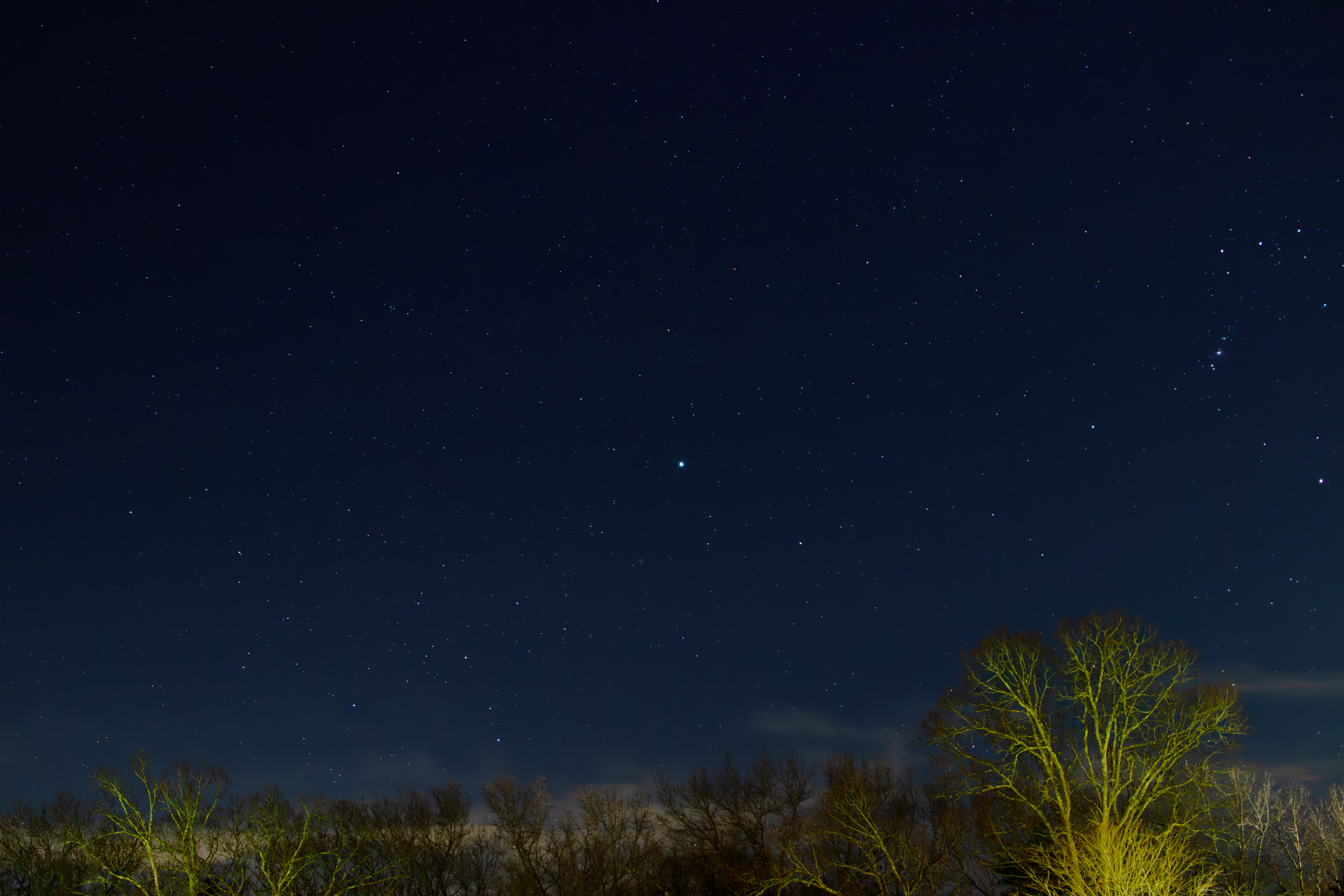
Sirus

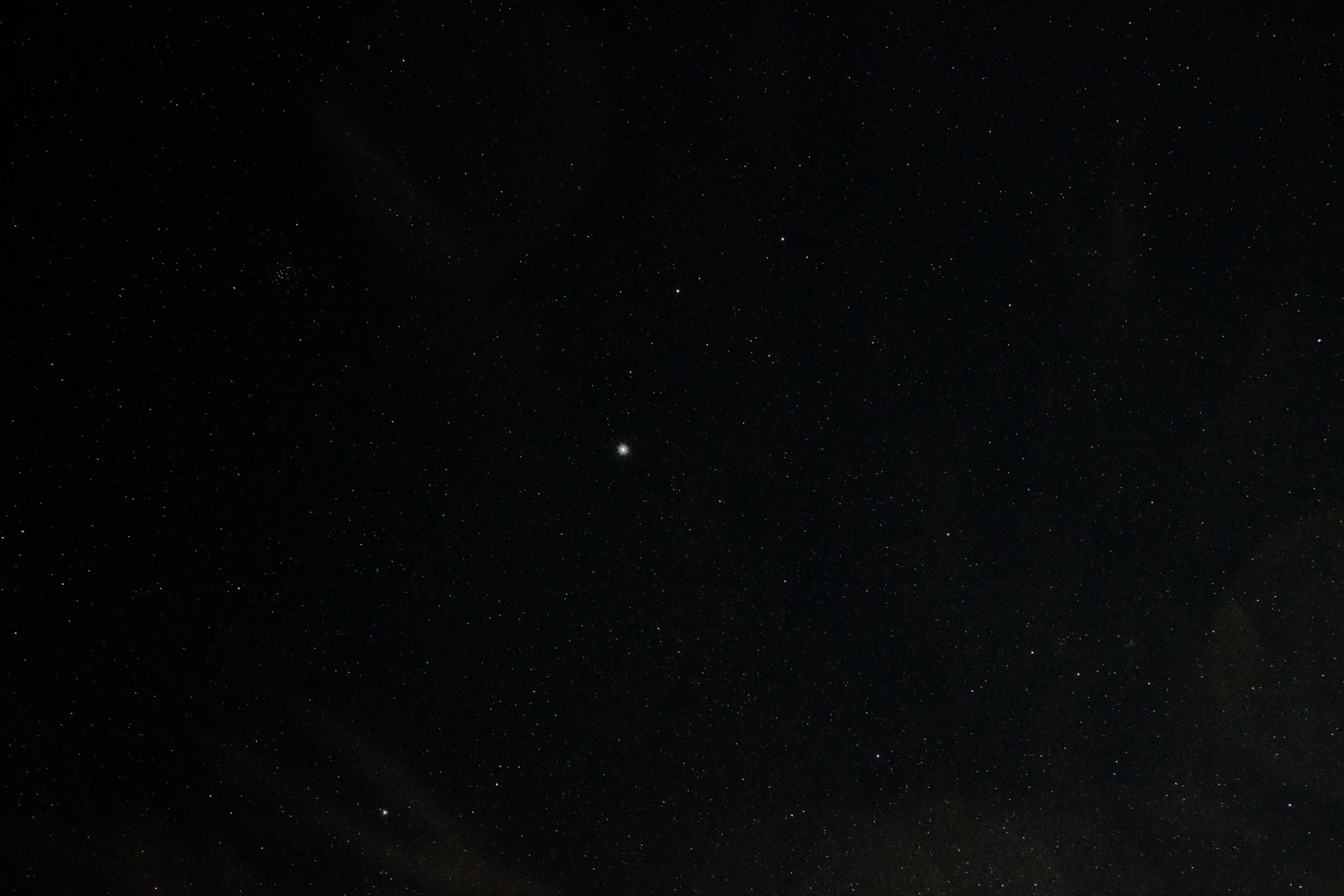
The brightest star in the night sky: Taken just outside of the Olin dorms, this was the first star photo we were able to take using the full tracking capabilities of ATLAS. This was taken by stitching together three ten second exposures, giving us a deeper dynamic range. For a stationary camera, Sirius would look blurry or even streaky due to the rotation of the earth. You can see that with our tracking, Sirius remains a perfect, crisp circle.

Jupiter

Our latest observation: We weren't really sure what we were seeing initially, but after plate-solving, we realized we were looking at Jupiter! Taken with a 30 second continuous exposure, Jupiter came out incredibly crisp and with very little noise. We were fortunate to be in a secluded, dark area for this one, which gave us exceptionally high contrast.

What's The Point?

Our goal is to remove the barrier of entry for amateur astronomers through the design and manufacture of a simple star-tracking motorized camera mount designed for long exposure photography of astronomical objects. ATLAS consists of a motorized mounting system and a star-tracking algorithm that calibrates to known objects in the sky and precisely moves a camera to photograph astronomical objects through the rotation of the earth.

A key focus of this project was to increase accessibility in astrophotography. The primary objective of ATLAS was to create a low cost system that is capable of compensating for the rotation of the Earth to increase the accessibility of amateur astrophotographers and astronomers. ATLAS features an adaptable mount that can be used for a telescope or camera. Additionally, ATLAS is designed to be fully 3D-printable, reducing the material cost. The calibration process uses publicly available astronomical coordinate data in order to reduce the barrier for entry for new astronomers. By lowering the cost and complexity of long exposure photography, ATLAS enables more people to participate in observational astronomy and contribute to meaningful observations.
Meet The Team

The engineers that made it all possible.

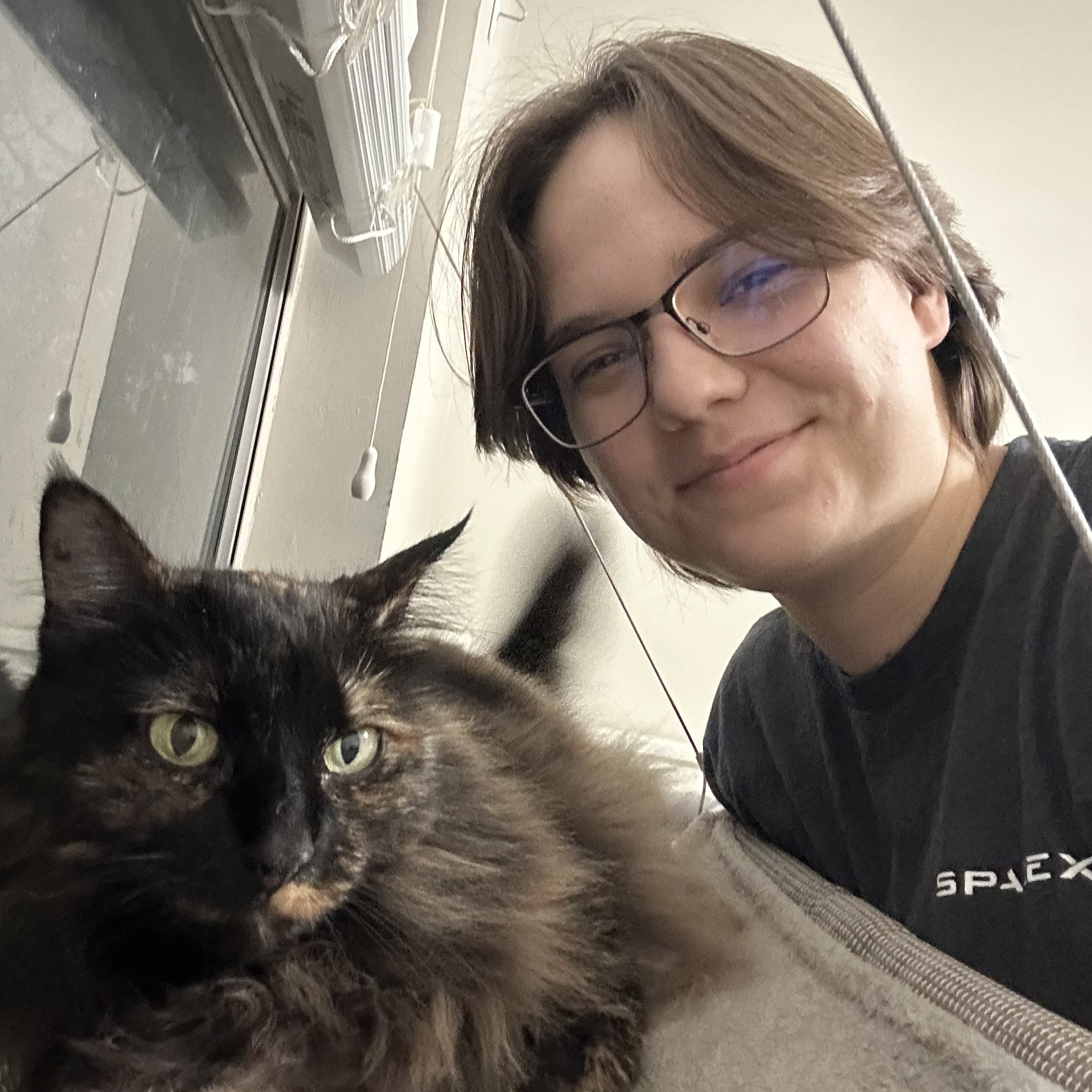
Hailee Gooden

I am a sophomore mechanical engineering student at Olin College of Engineering who is passionate about aerospace technology (rockets, satellites, high-altitude balloons), composites and material science, and climate/aerospace research.

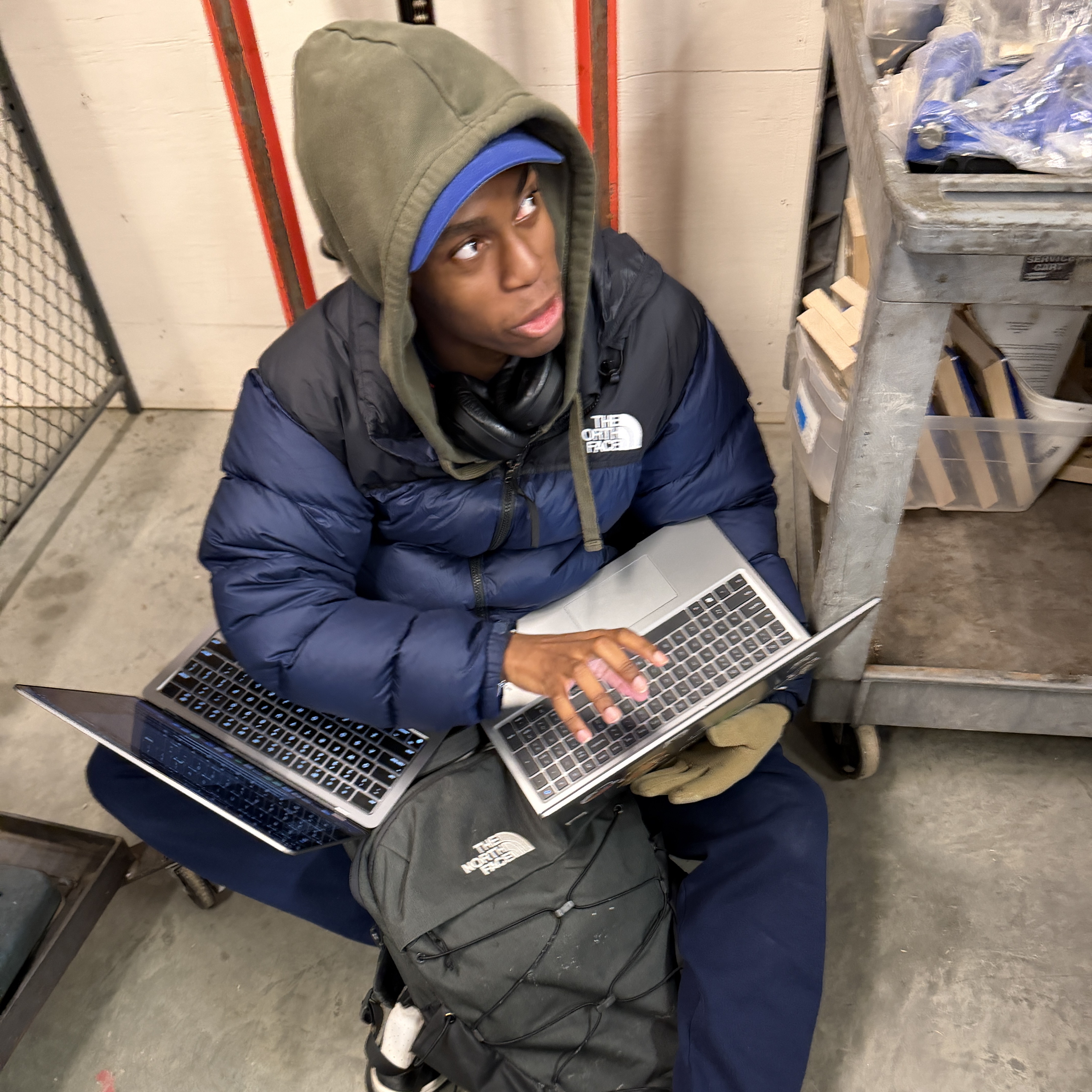
John Chandler

Hello! I’m a sophomore at Olin College of Engineering studying Electrical and Computer Engineering with an emphasis on physics. I’m especially interested in Nanomaterials, Instrumentation, and Quantum sensing, but I have a healthy appreciation for both optical and radio astronomy. Ask me about my work at the Green Bank Observatory!

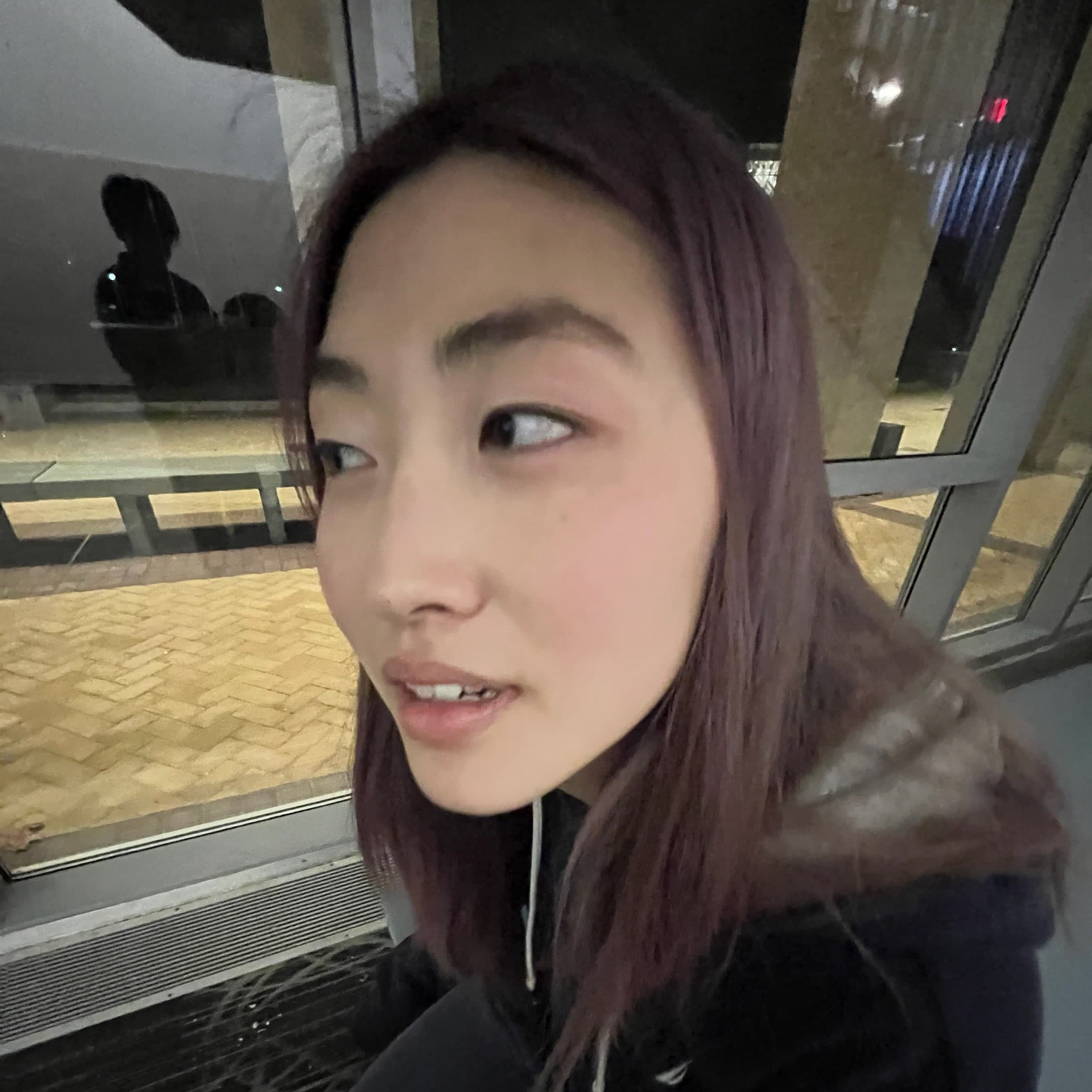
Irene Hong

I am a sophomore ECE at Olin College of Engineering interested in designing electrical systems that bridge the gap between mechanisms and software and bring life to accessible, impactful robotics.

Jasper Anderson

I'm a mechanical engineer studying at Olin College of Engineering. I love the outdoors, photography, and the night sky. I'm endlessly fascinated by high-level system design and integration. I particularly love the process of turning an idea into a product, designing it around the user, and bringing it to life.

Ryan Thrasher

I am a sophomore Mechanical Engineering student at Olin College of Engineering who is passionate about manufacturing and human centered design. I push my projects to involve constant iteration and a strong focus on designing with real users and real impact.